Respiratory diseases such as asthma and Chronic Obstructive Pulmonary Disease (COPD) remain a growing but often overlooked public health challenge in Nigeria. In rapidly urbanizing cities like Lagos, where air pollution, traffic fumes, and environmental exposures are common, the burden is even greater. Yet, many cases remain underdiagnosed or poorly managed, largely due to limited awareness, misconceptions, and gaps in primary healthcare capacity.
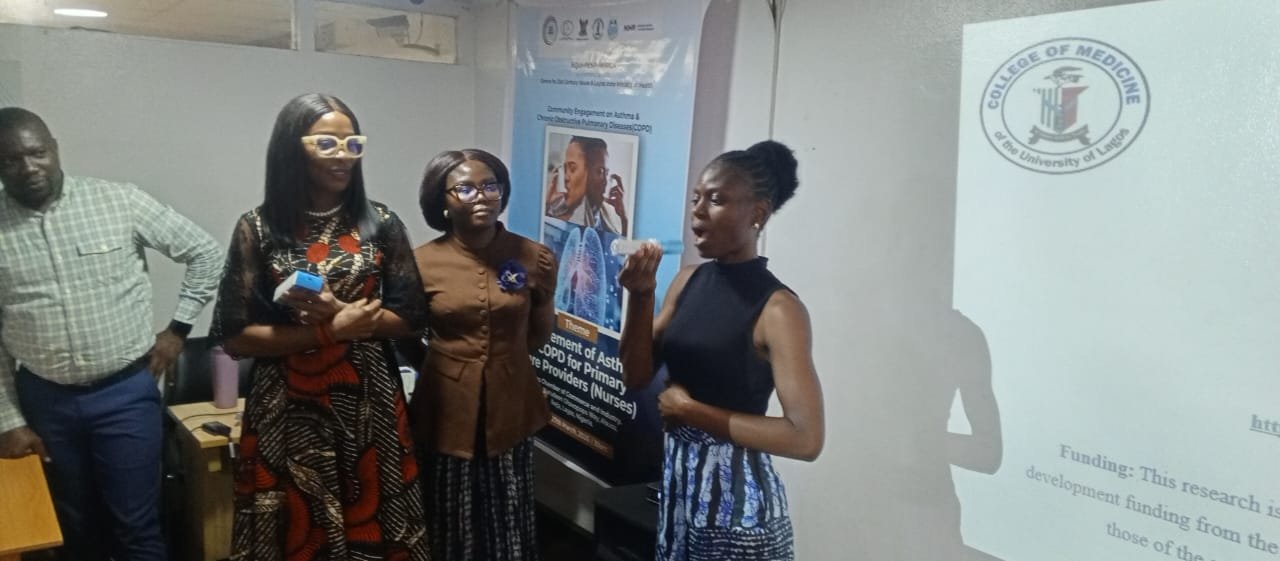
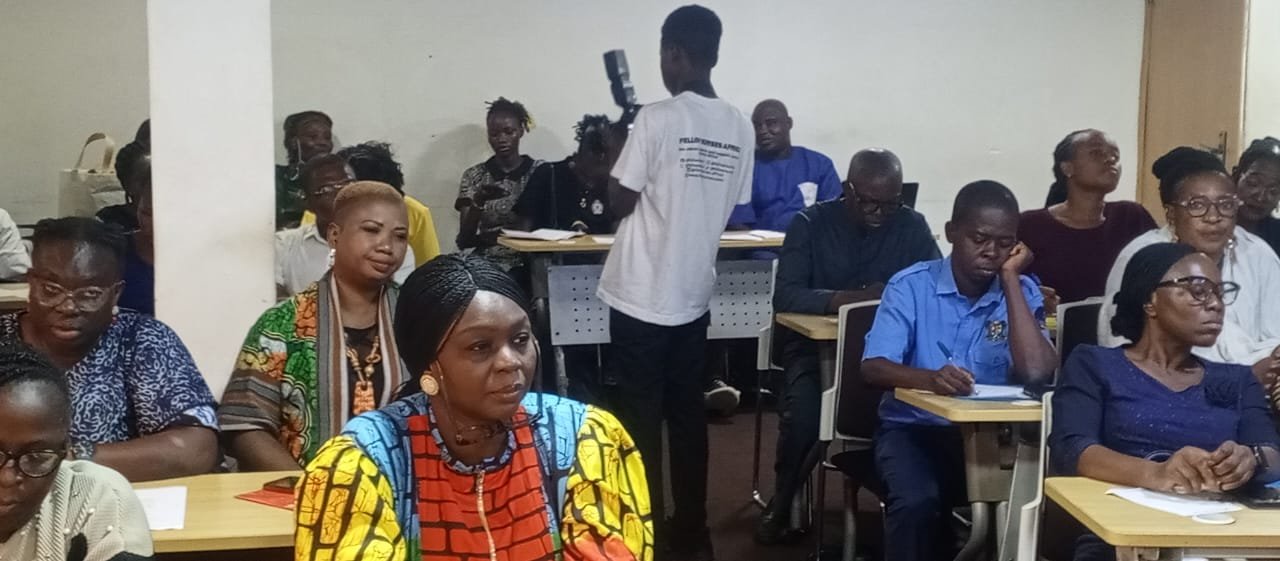
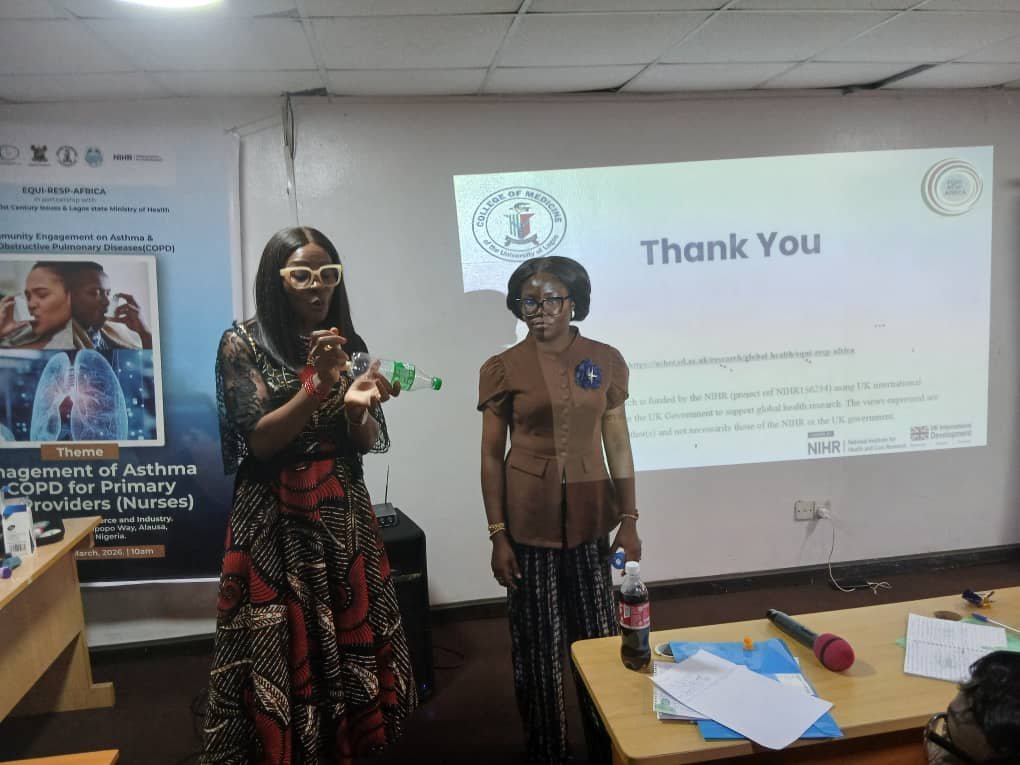
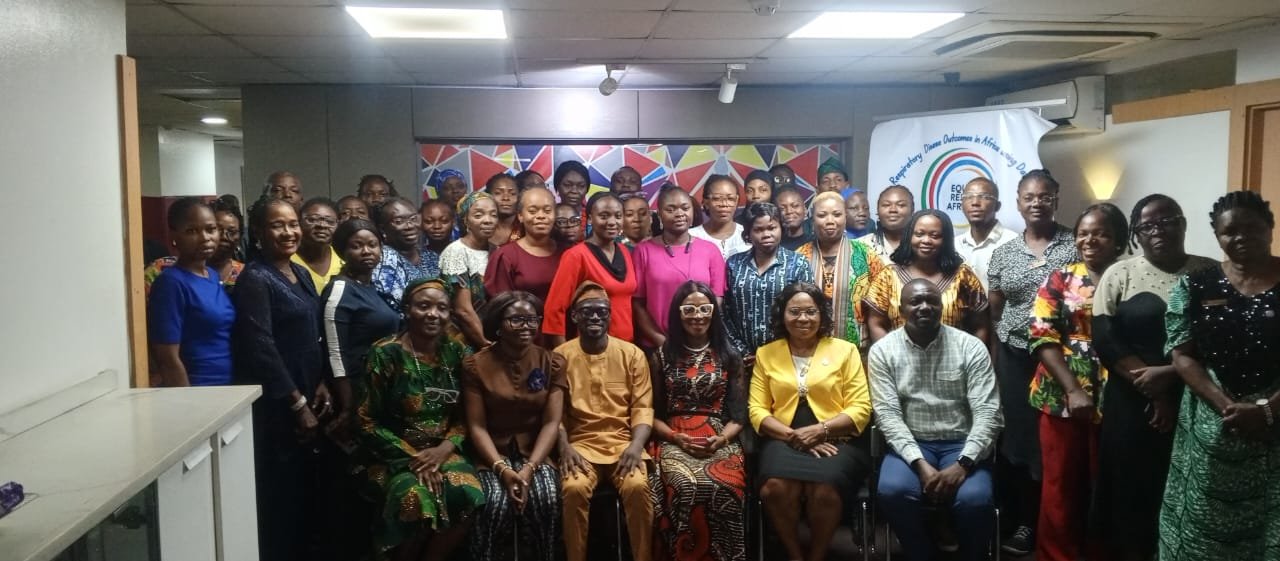
To address this, the EQUI-RESP-AFRICA project, funded by the National Institute for Health and Care Research (NIHR) and co-led by Prof. Igor Rudan (University of Edinburgh) and Prof. Obianuju Ozoh (University of Lagos), recently convened a targeted community engagement workshop. In partnership with the Centre for 21st Century Issues and the Lagos State Ministry of Health, the initiative focused on strengthening the capacity of primary care providers, particularly nurses, in the management of asthma and COPD.
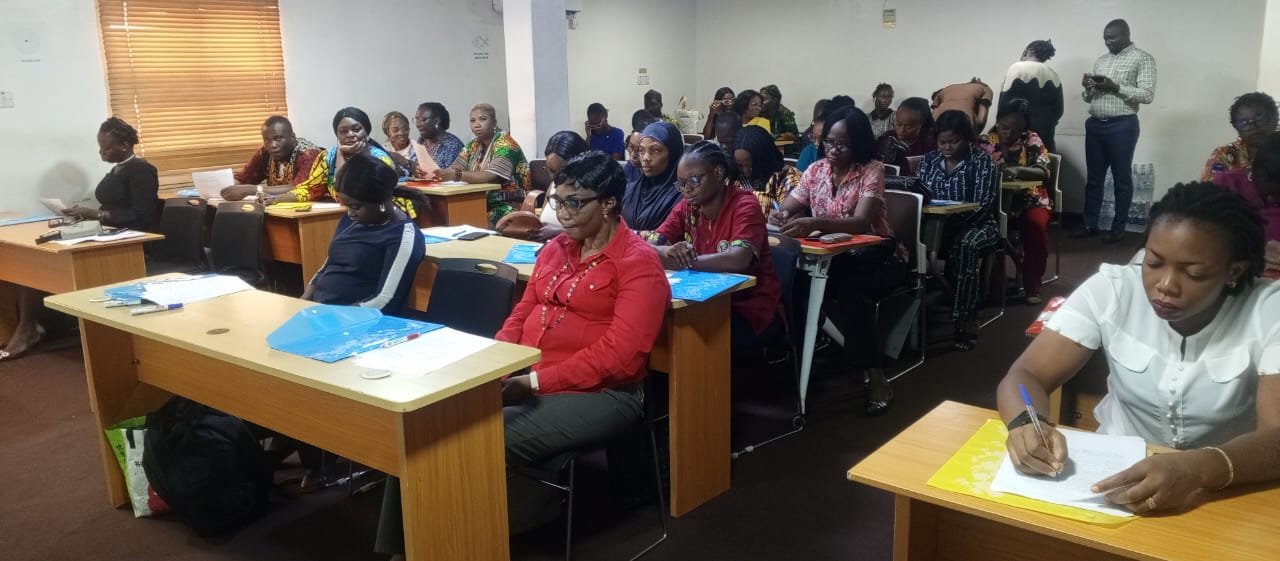
Putting Nurses at the Center of Care: Nurses play a critical role in Nigeria’s healthcare system. As frontline providers, they are often the first point of contact for patients, especially at the primary care level. Recognizing this, the workshop placed nurses at the heart of the solution equipping them with the knowledge and practical skills needed to improve early diagnosis, patient education, and long-term disease management.
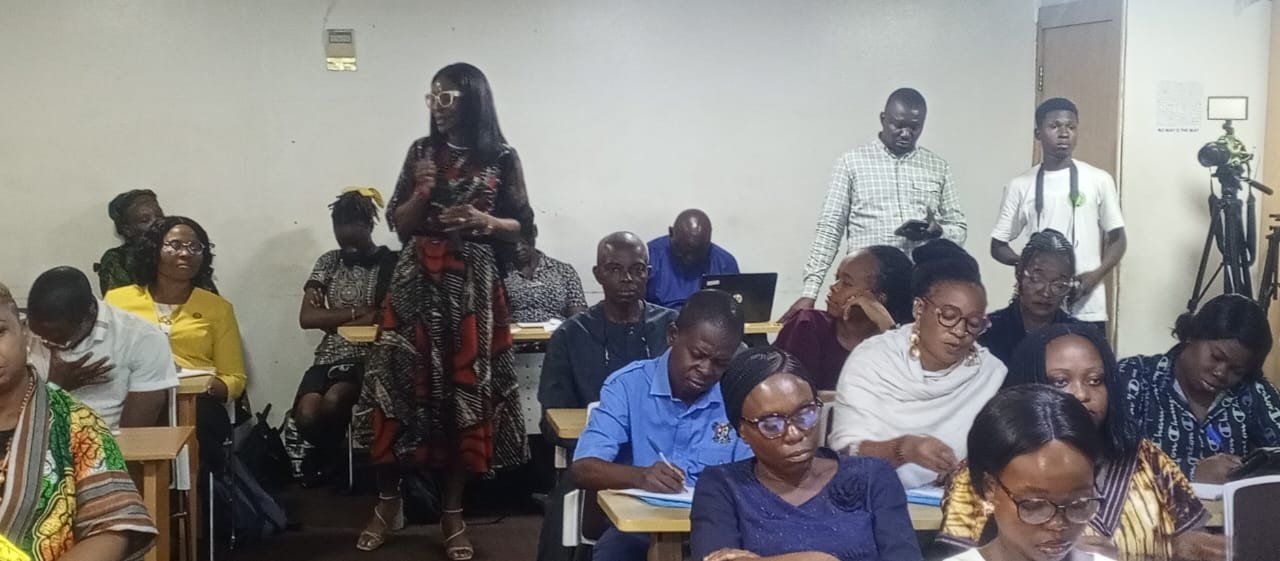
Challenging Myths, Building Knowledge: A key highlight of the engagement was addressing common misconceptions about asthma. Participants shared beliefs prevalent in their communities, that asthma is contagious, caused by spiritual forces, or that inhalers are addictive and only used in severe cases. Through expert-led discussions, these myths were dispelled, reinforcing that asthma is a chronic inflammatory condition that requires consistent, evidence-based care. This shift in understanding is crucial. When healthcare providers are well-informed, they can correct misinformation, reduce stigma, and guide patients toward effective treatment.
Understanding Asthma and COPD: The training also strengthened participants’ ability to distinguish between asthma and COPD, two conditions often confused in practice. While asthma is typically reversible and episodic, COPD is chronic and progressive. Understanding this difference is essential for accurate diagnosis and appropriate treatment. Importantly, the sessions highlighted key risk factors for COPD in Nigeria, including smoking, exposure to biomass fuels like firewood, and occupational hazards, factors deeply embedded in many communities.
Empowering Patients, Strengthening Systems: The workshop emphasized that effective care goes beyond clinical treatment. Nurses were encouraged to educate patients on trigger avoidance, medication adherence, and lifestyle changes, as well as promote preventive measures such as vaccination. At the same time, real-world challenges, such as limited diagnostic tools, cost of medications, and environmental pollution, were openly discussed. By acknowledging these barriers, the initiative moved toward practical, locally relevant solutions.
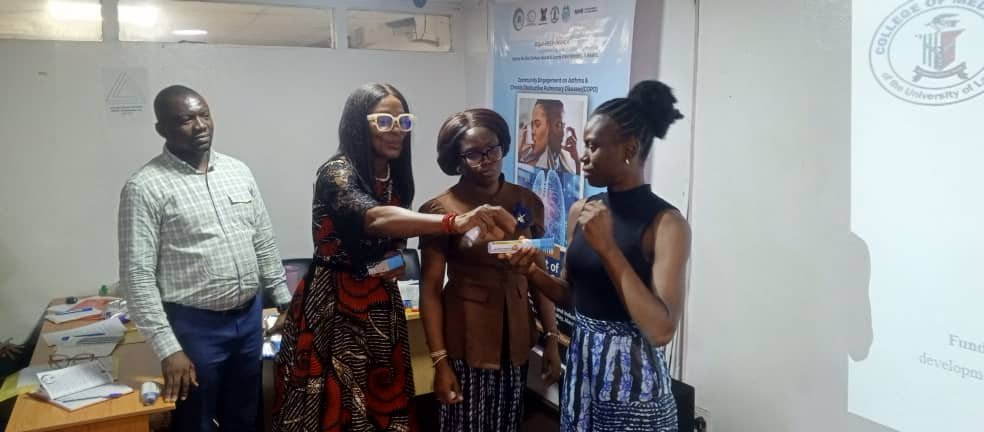
From Training to Real-World Impact: Beyond theory, the workshop emphasized hands-on learning. Nurses were trained on proper inhaler techniques, the use of spacers, and peak flow measurement for monitoring lung function. They also learned to identify early warning signs of exacerbations and to develop personalized asthma action plans. These are practical, life-saving skills. When applied effectively, they can reduce emergency visits, prevent complications, and significantly improve patient outcomes at the community level.
Looking Ahead: This engagement marks an important step toward improving respiratory care in Nigeria. By empowering nurses, strengthening primary healthcare capacity, and promoting community awareness, EQUI-RESP-AFRICA is contributing to more equitable health outcomes. As knowledge spreads from providers to patients and communities, the impact will continue to grow, building stronger health systems and improving lives, one breath at a time.