International Women’s Day 2025 Event Report
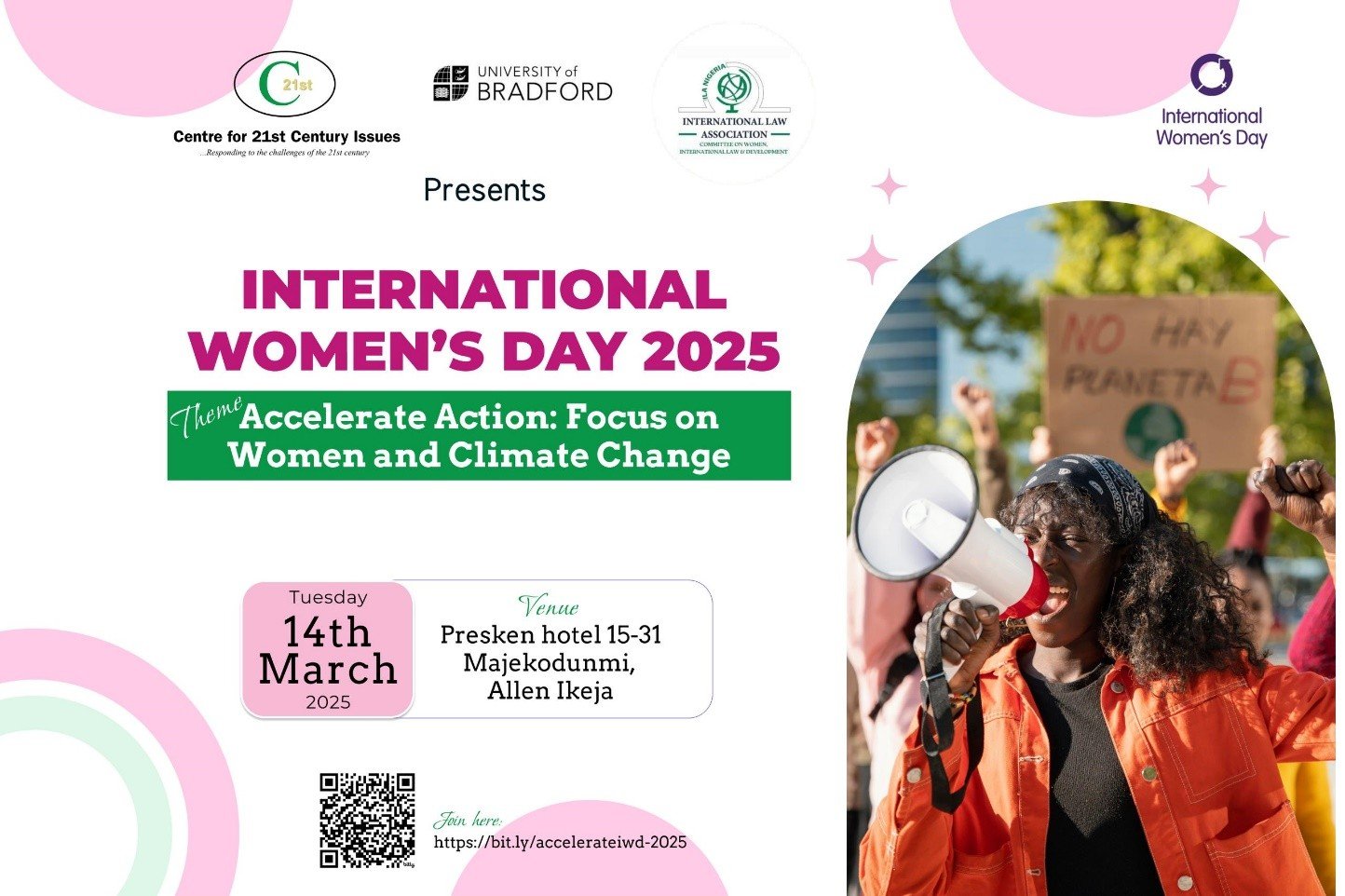
Theme: Accelerate Action: Focus on Women and Climate Change
Date: March 14, 2025
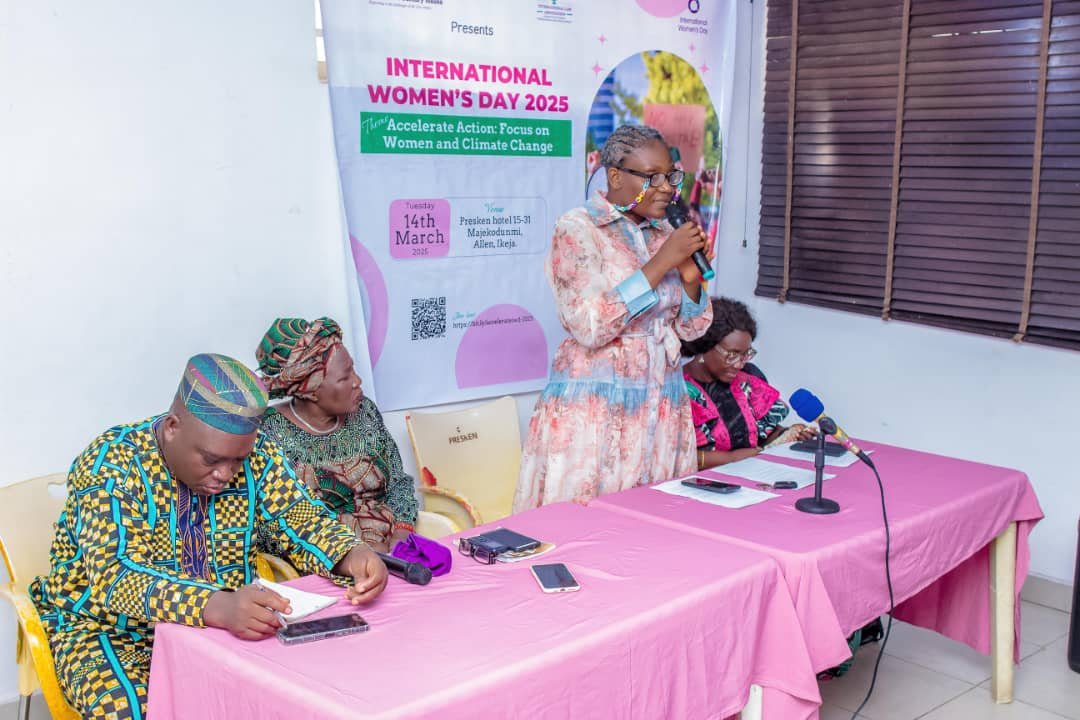 The International Women’s Day (IWD) 2025 event, held on March 14, 2025, was a pivotal occasion in the ongoing global dialogue on climate change and gender equality. This event was part of the broader UK Research and Innovation (UKRI) Future Leaders Fellowship project, Gender Inclusive Climate Change Governance (GenCGov). GenCGov is an ambitious multi-country initiative dedicated to understanding and addressing the distinct experiences of women in the context of climate change and climate governance institutions. The project aims to amplify women’s voices and agency in shaping climate change policy and action, ensuring their full participation in governance structures.
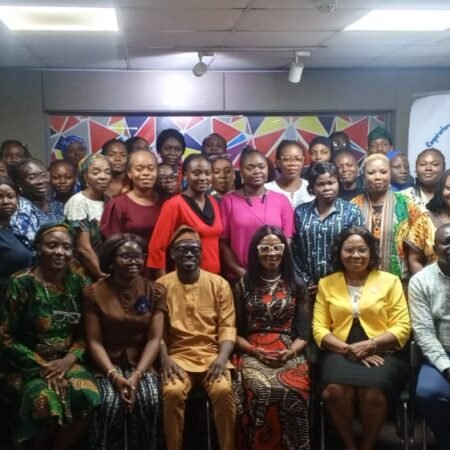
This remarkable event brought together participants such as market women and men, members of Civil Society Organizations, School Based Management Committee and the media to discuss an urgent issue, climate change and its impact on women. The event was a study partnership effort between the Centre for 21st Century Issues (C21st), the United Kingdom University of Bradford, Nigeria International Law Association Nigeria, University of Benin, FIDA, Epe Branch, International Women’s Society Nigeria, Kenya Egerton University, South Africa University of Fort Hare. A major barrier to inclusive climate governance is the absence of disaggregated data that captures the unique challenges faced by vulnerable groups. This research aims to fill this gap by generating critical data on the gendered impacts of climate change and women’s involvement in governance institutions. By fostering partnerships and capacity-building, this study will contribute to the creation of pathways that promote gender-inclusive climate governance, ensuring that women play an active role as activists, litigants, and legal advocates in the fight against climate change.
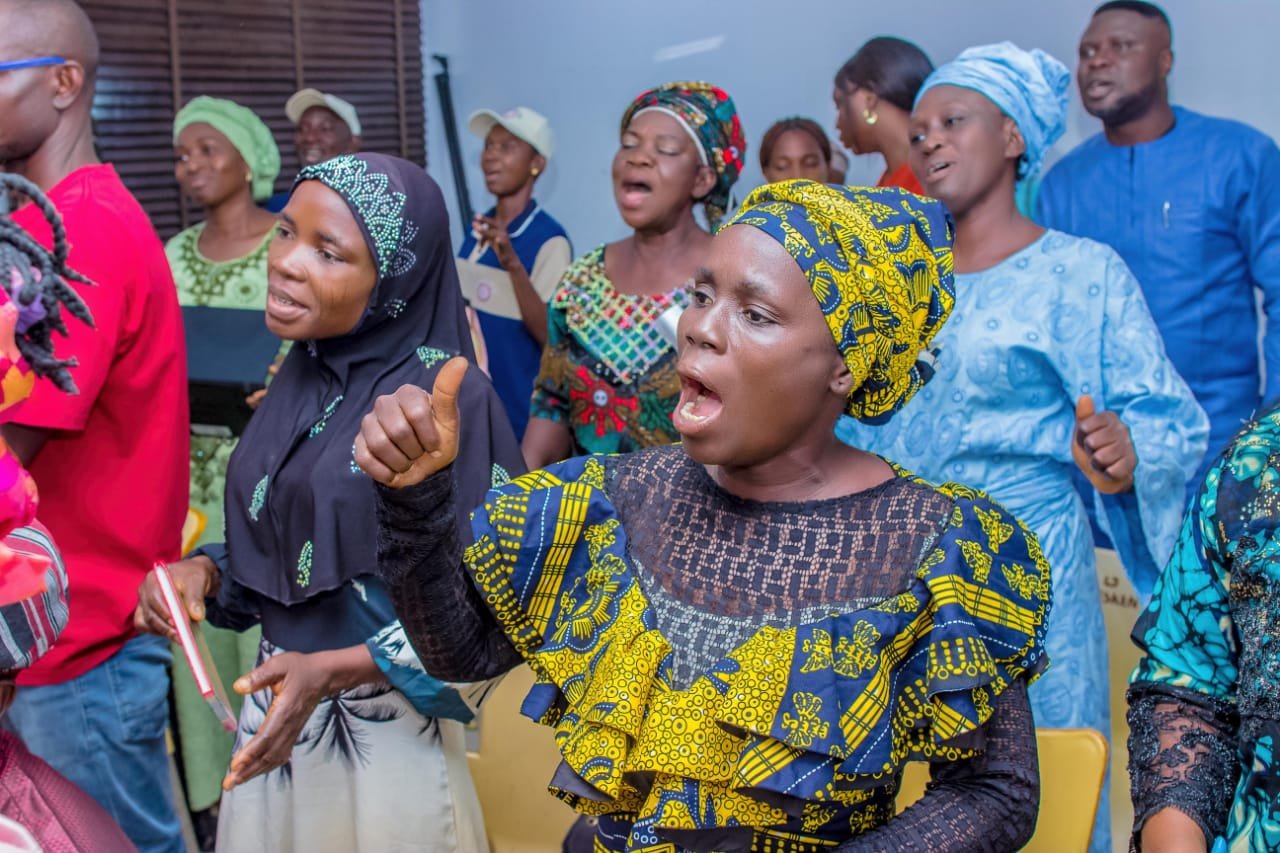
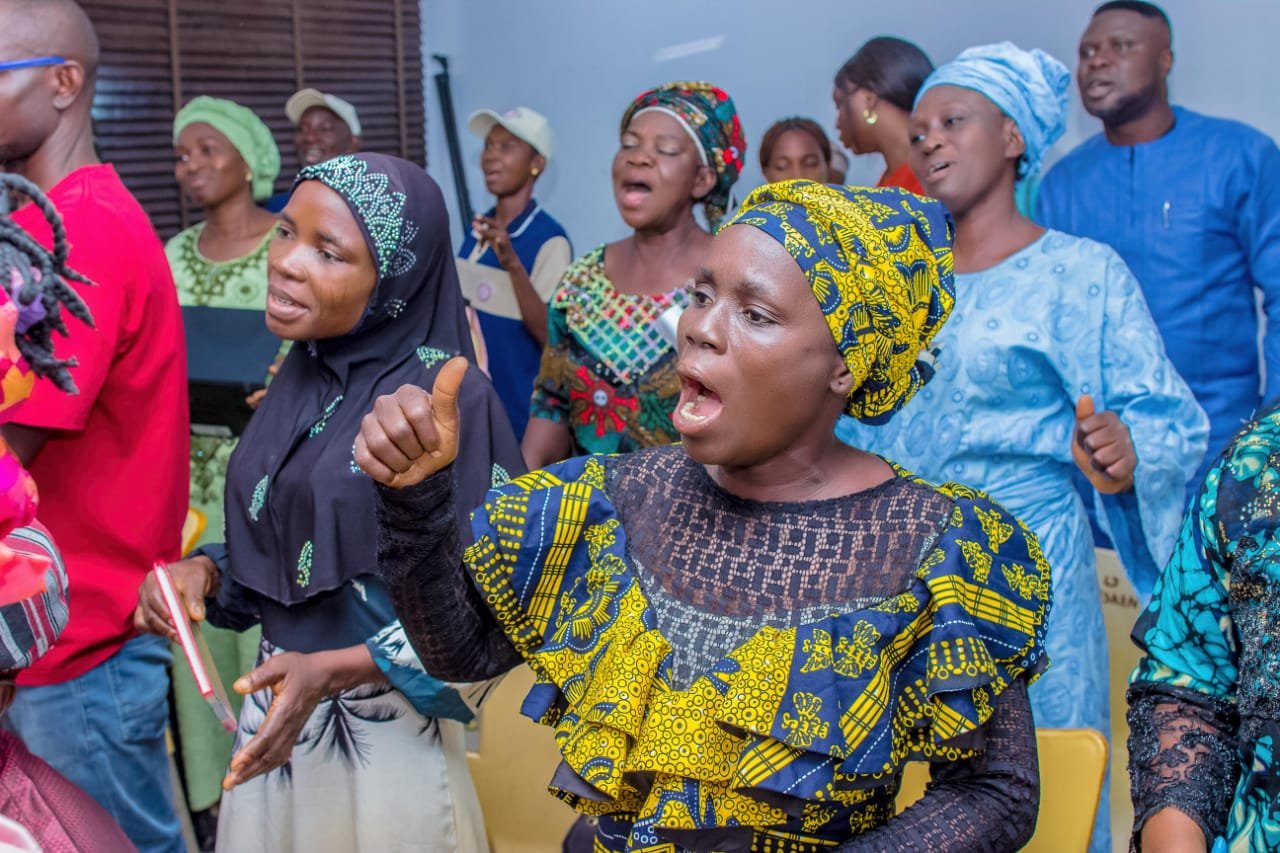
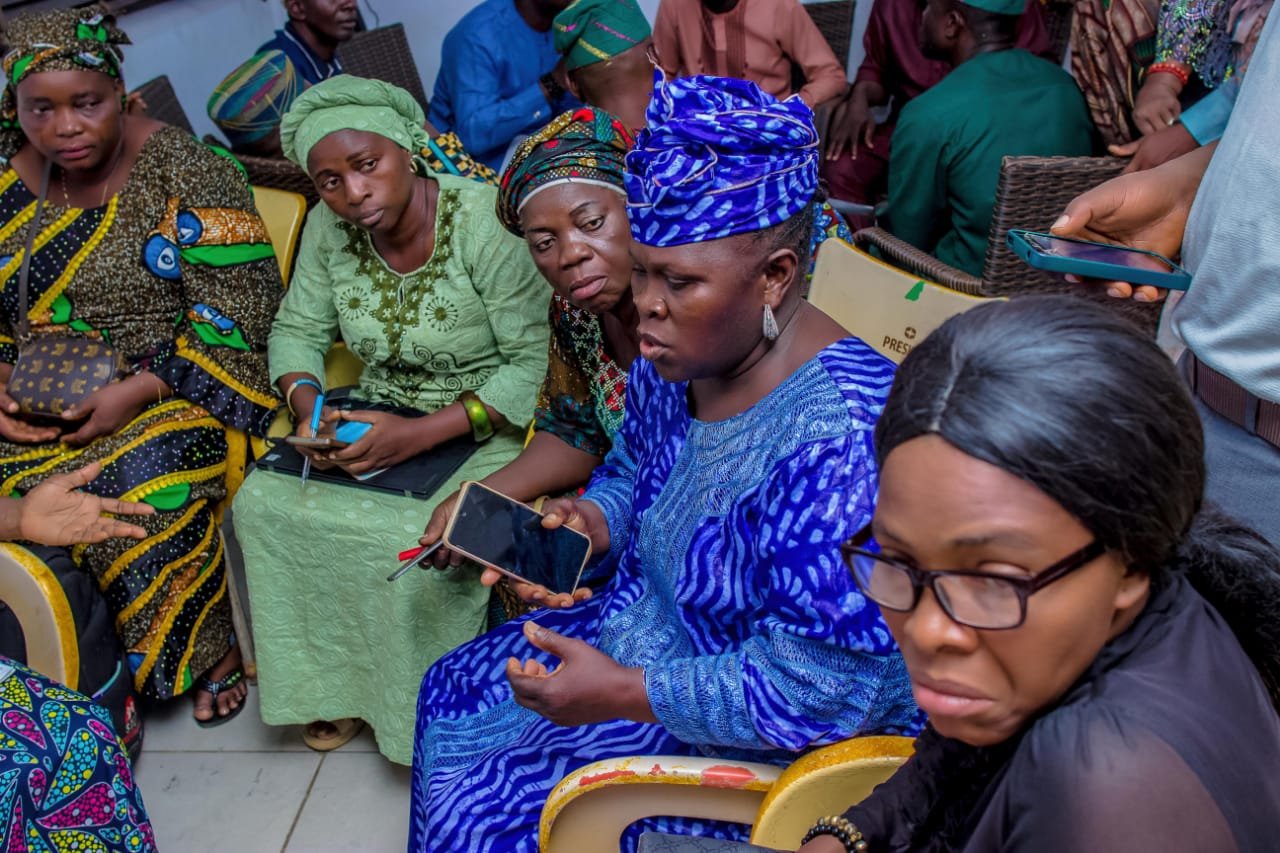
Opening Session
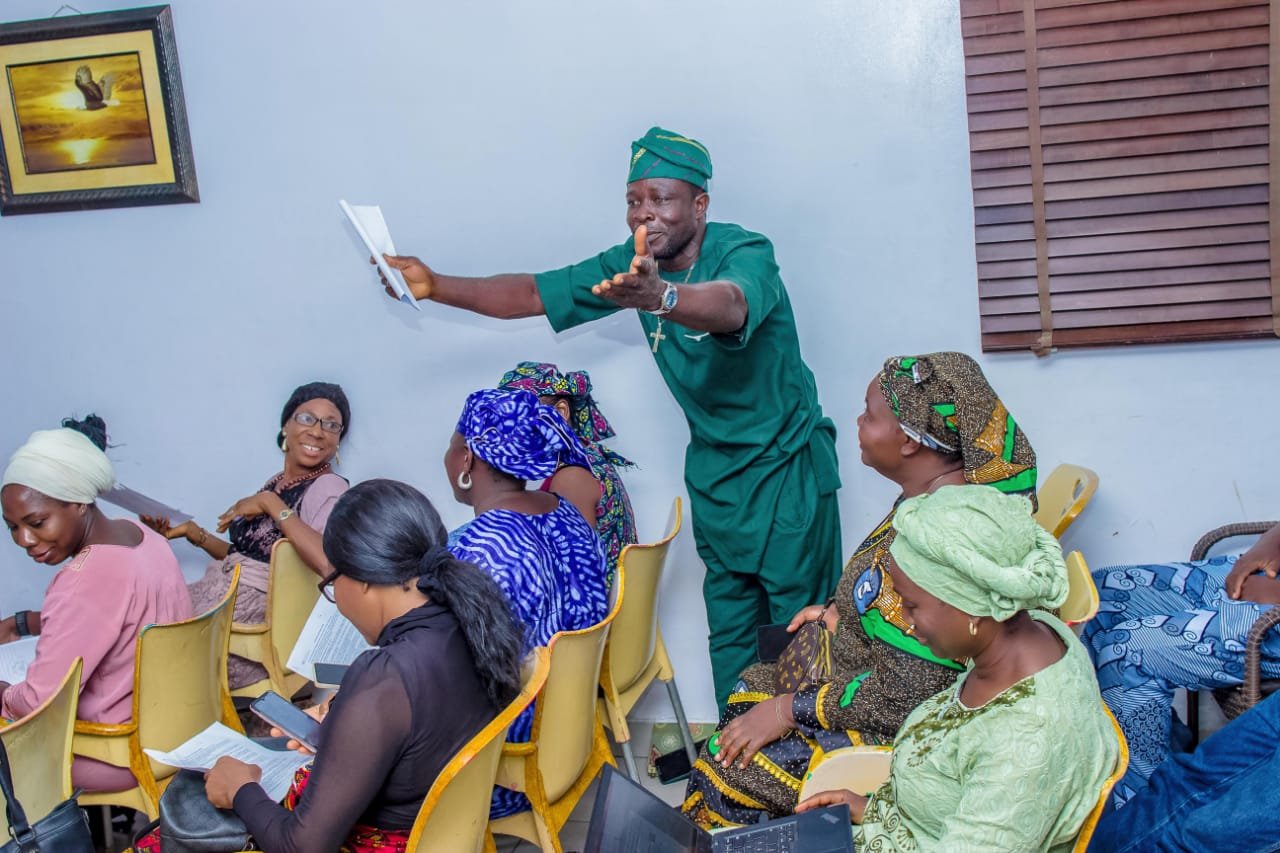
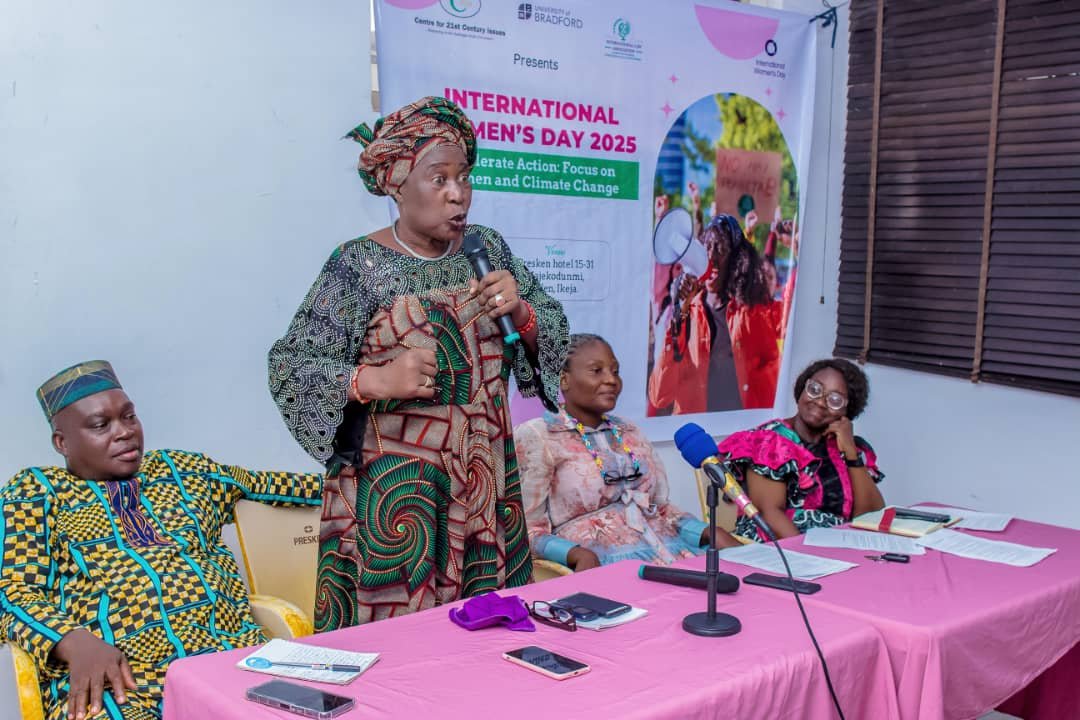
Ms. Titilope Akosa, Executive Director, Centre for 21st Century, gave the opening remarks, warmly welcoming all attendees, particularly the distinguished speakers. She emphasized the importance of adapting to climate change impacts, highlighting how women are disproportionately affected, In her address, she highlighted the increasing impact of climate change, stating that its adverse effects are more severe for women than men. She emphasized the need for adaptation strategies to mitigate these impacts and called for proactive action. Ms. Akosa also discussed the ethical guidelines for conducting research, stressing the significance of voluntary participation and the completion of consent forms.
Presentations
- Mrs. Morenike Omaiboje – Gender and Climate Change
Mrs. Omaiboje delivered a compelling speech on how climate change affects women. She explained that gender matters in climate discussions because women face unique challenges, such as increased stress, malnutrition, and health risks. She pointed out that women are responsible for food production, and climate change leads to food insecurity, water shortages, and displacement, disproportionately affecting them.
She passionately advocated for more women to be at the decision-making table in climate policy, emphasizing that women’s voices need to be heard. She also highlighted the rising cases of women being kidnapped and raped on their way to farms, workplaces, and markets due to environmental crises leading to migration and instability.
- Ms. Precious Modupe Ojo, Iyaloja (Head of Market Women) of Ketu Mile 12 – Women’s Empowerment and E-Naira
Ms. Modupe Ojo’s presentation focused on economic empowerment and financial inclusion for women. She commended Ms. Akosa for organizing the event and urged women to engage in empowerment programs beyond just financial aid. She encouraged women to be aware of their rights, emphasizing that women are the managers of households and should not hide behind closed doors in political matters. She stressed the need for women to support each other, share knowledge, and actively participate in community development. - Mr. Odeyemi Richard – Community and the Role of Women
Mr. Richard took a moment to appreciate the women present, stating that men were there to celebrate, support, and uplift them. He emphasized that women are essential to society, while men are simply “the spice.” He urged women to stand up for themselves, speak out against injustices, and take action. He acknowledged the contributions of the three female speakers and reinforced that action is more important than just listening.
Breakout Group Sessions
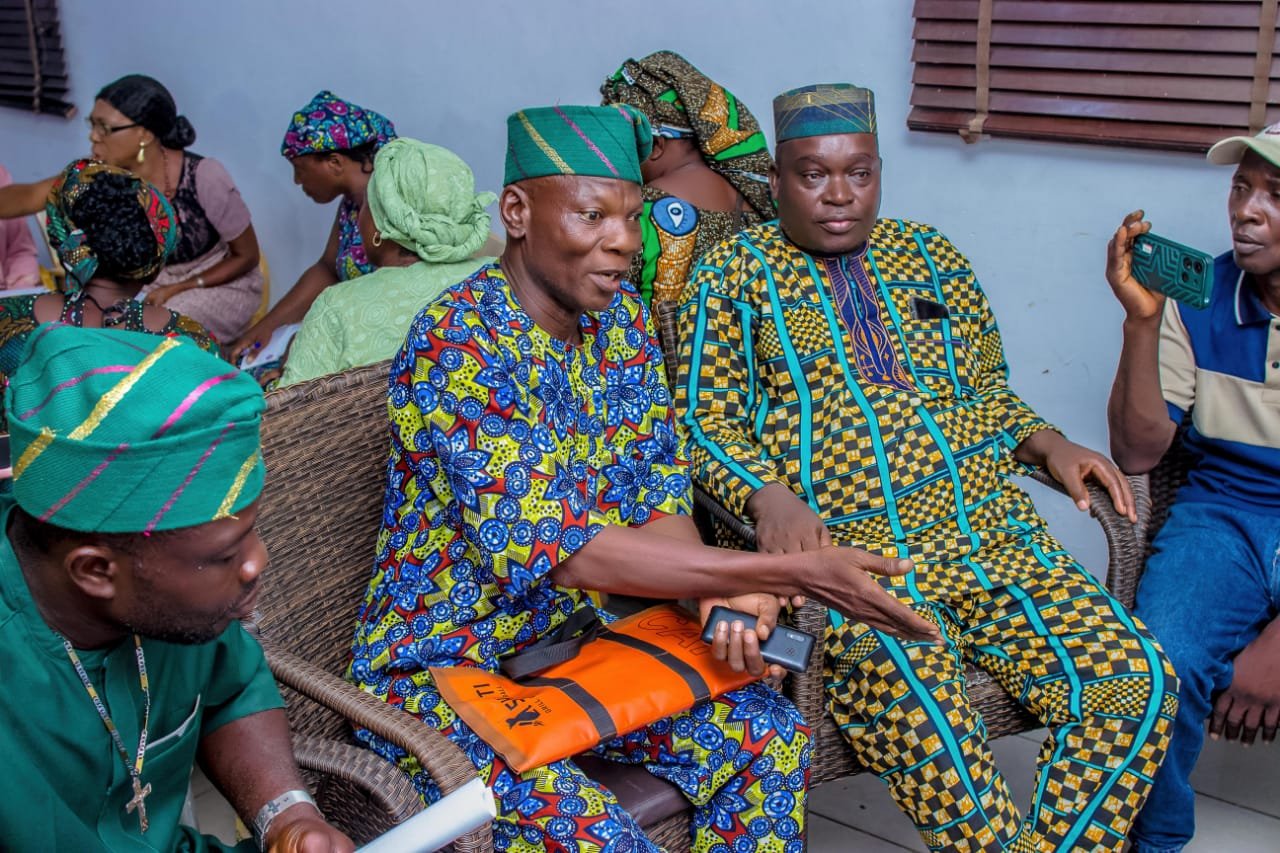
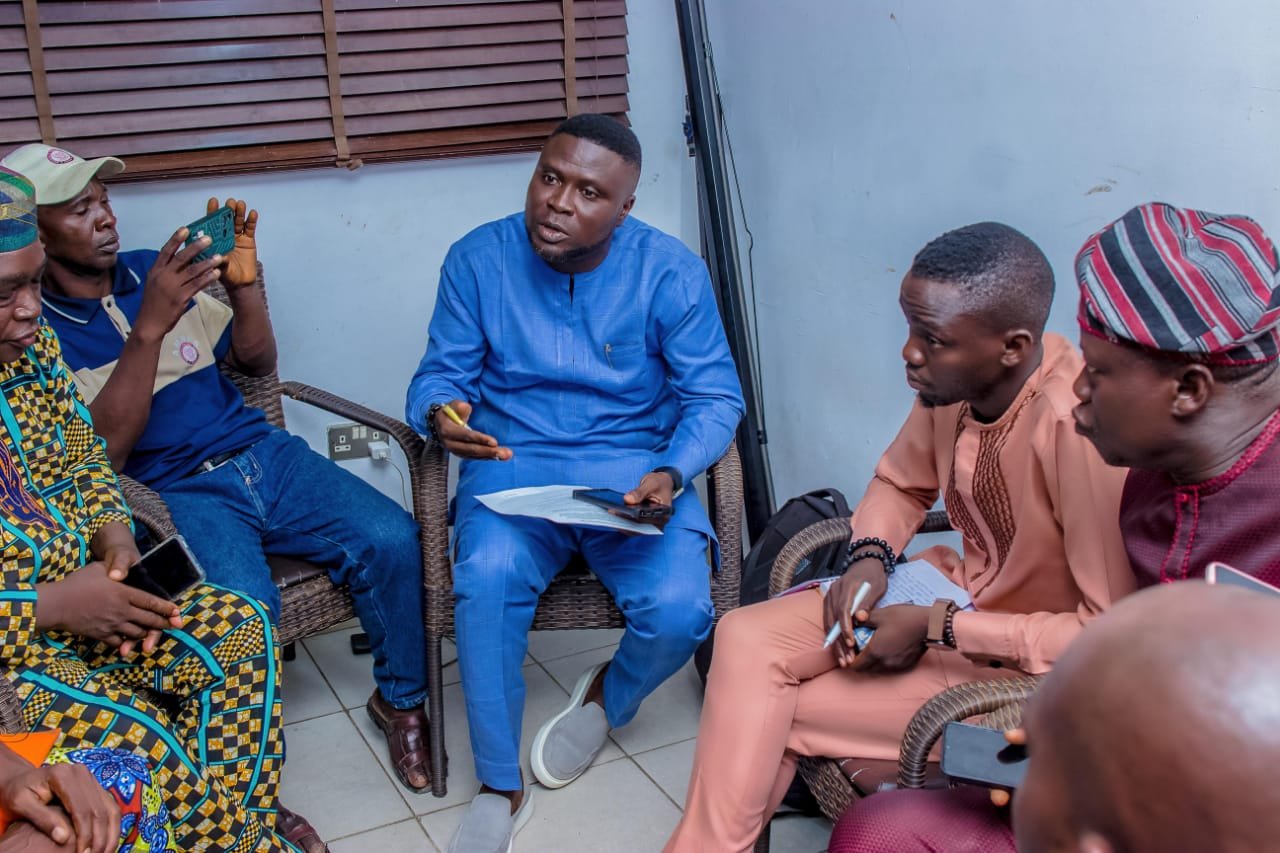
The participants were divided into three groups for discussions: two groups were comprised of women, and one group was exclusively for men. Each group was guided by a rapporteur who administered the questions. Female rapporteurs managed the women’s groups, while a male rapporteur led the men’s group. This division allowed for gender-based disaggregation and comparative analysis of the responses. At the end of the breakout sessions, the discussions were presented in three formats: one for women, one for men, and one for a mixed group
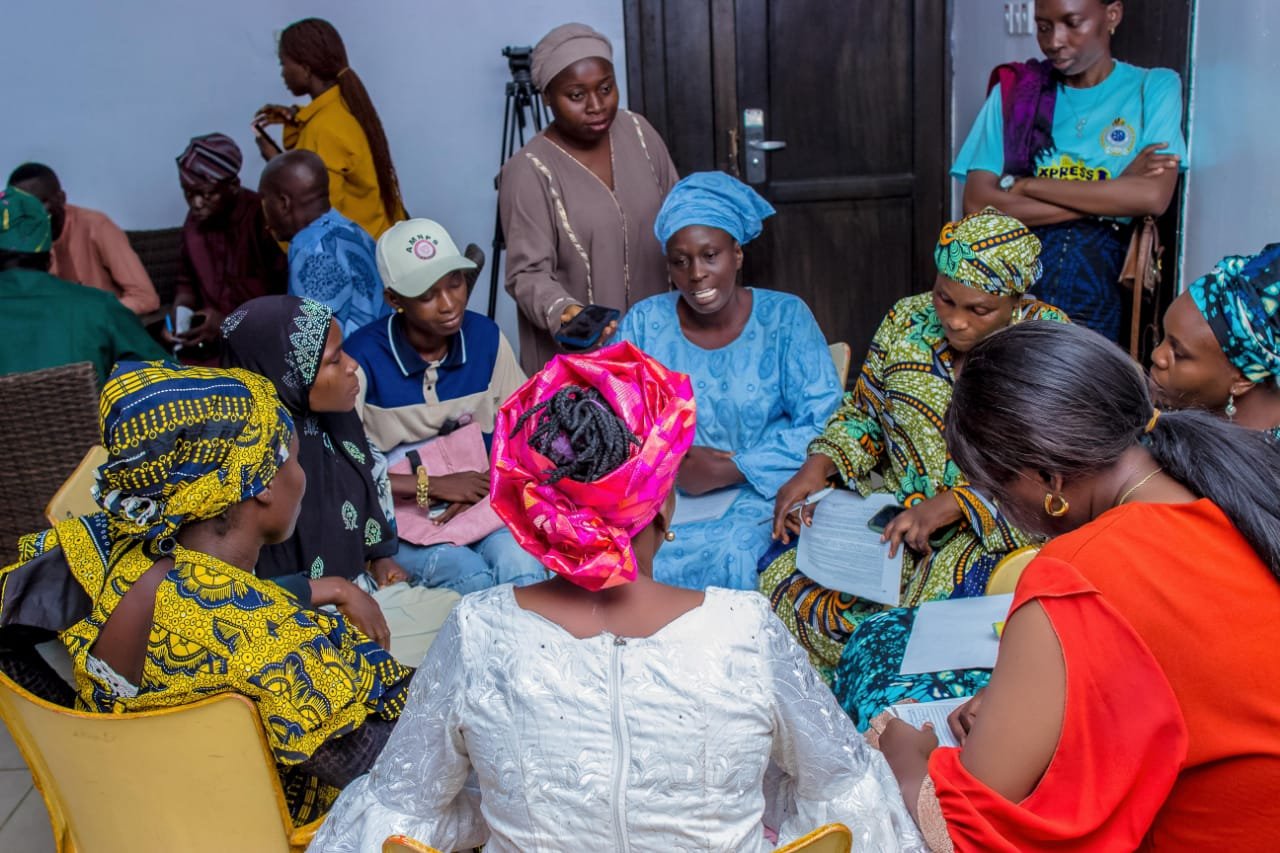
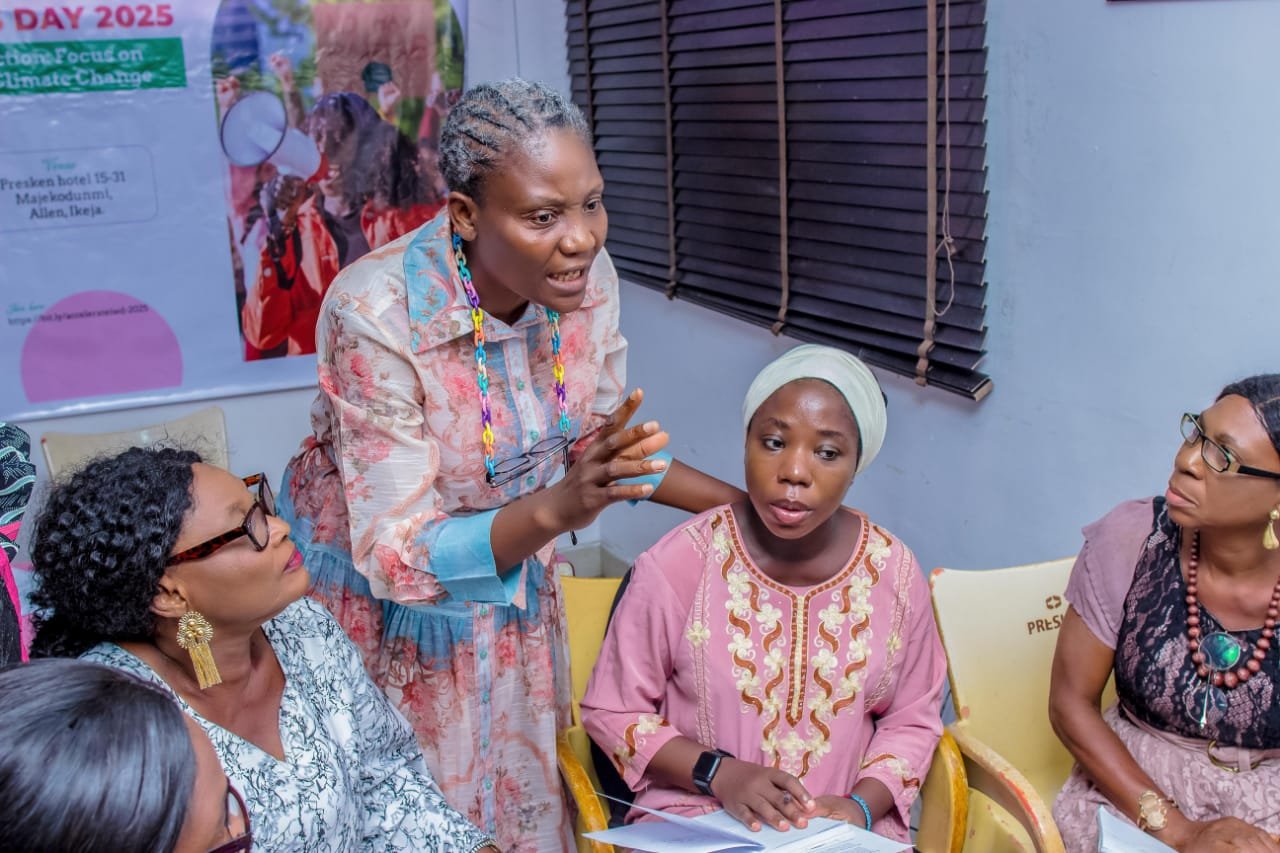
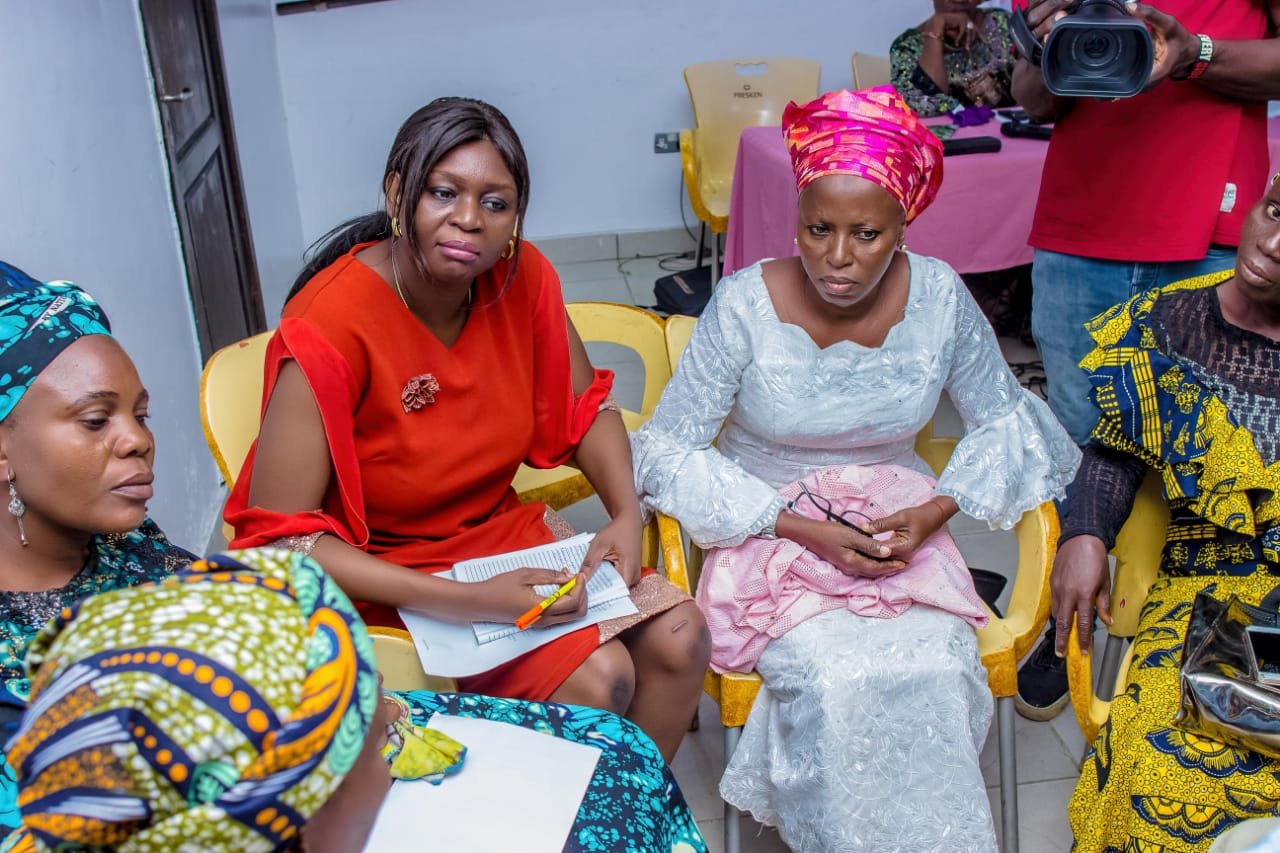
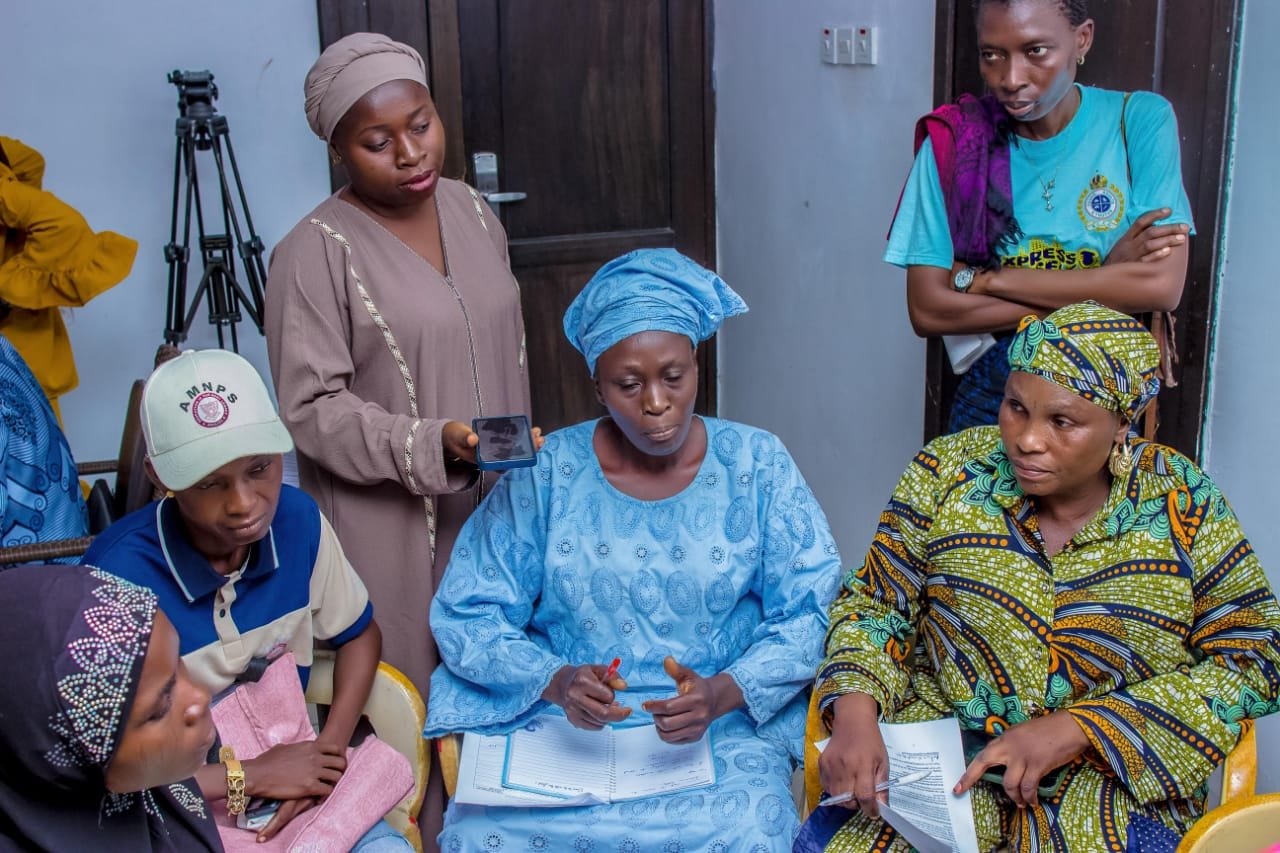
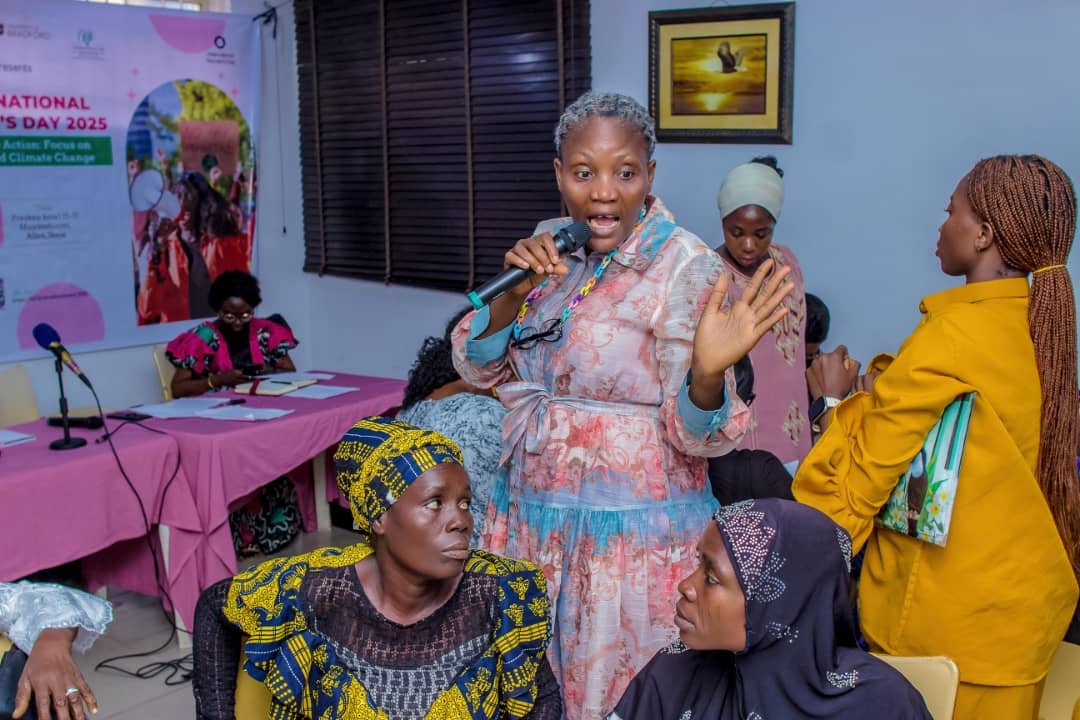
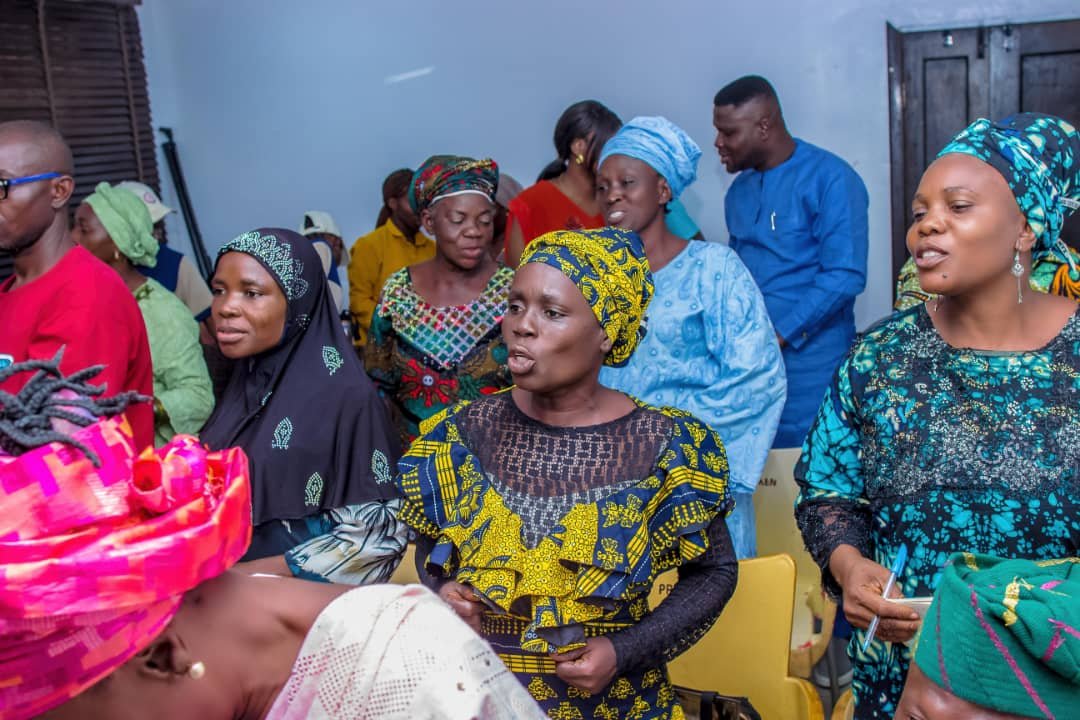
Women Group 1: Discussion and Responses
Question 1: What does climate change mean to you? Does climate change affect men and women differently?
All participants agreed that climate change disproportionately affects women. A member shared an example of how pregnant women suffer more during heatwaves, experiencing stress and health complications like malaria, convulsions in children, and dehydration. Another participant recounted using cold cloth compresses to cool her body during extreme heat. Women also noted that their primary roles in cooking and household management expose them more to climate-related hardships.
Question 2: What type of climate change impacts have you experienced (e.g., heatwaves, flooding, drought)? Are the experiences different for men and women?
Participants cited various climate change impacts, with flooding in Lagos being a major concern. Women in markets often struggle to sell goods due to flooding, which sometimes causes accidents. One participant noted that climate change leads to domestic violence as financial stress and displacement strain relationships. Others highlighted how climate change-induced disasters leave women and children particularly vulnerable.
Question 3: What factors affected your experiences of climate change impacts?
Women expressed that climate change significantly affects their mental health, leading to stress, forgetfulness, and depression. One woman shared how the stress from running her business and managing family responsibilities led to an emotional rift with her husband, ultimately causing their 17-year marriage to end. Another shared a heartbreaking story of a mother who, in distress after learning her child was injured during a flood, rushed out of the house barefoot and improperly dressed. Fortunately, the child survived.
Question 4: Do current policies and societal systems support women in coping with climate change? What areas need improvement?
The general consensus was that government support for women is minimal, estimated at just 5%. One woman shared her frustration about how government relief programs often do not reach the intended beneficiaries, citing the COVID-19 palliative distribution where aid was given to landlords while tenants were neglected. Another participant, a widow, spoke of her unsuccessful attempt to receive food aid from the government due to her lack of political affiliations.
Question 5: What are the top three resources or actions that can accelerate action for women in relation to climate change?
- Collaboration with NGOs: Women suggested that the best way to reach and empower more women is through grassroots non-profits rather than politicians. NGOs have closer connections to affected women and can effectively address their needs.
- Socio-economic Support: Women need empowerment programs beyond financial aid, including social support networks and training to build resilience against climate change.
- Educational Platforms: There is a need for more government initiatives to educate women about climate change, equipping them with the knowledge and resources to adapt and mitigate its effects.
Group1: Names of Participants
- Ajayi Toyin Enitan
- Faith Ndubuisi
- Amaechi Rosemary
- Ogungbade Oluwatoyin
- Taiwo Kalejaiye
- Adeyeye Moji
- Jimoh Bose
- Vivian Emesowum
Women Group 2 : Questions and Responses
Question 1: What does climate change mean to you? Does climate change affect men and women differently?
Most women in the group described climate change as change in weather patterns noting that rain doesn’t fall in due season as it used to some years ago. Also, they mentioned increase in heat experienced in their environment which causes health risks as what Climate Change means to them. All the participants in the group said that climate change affects men and women differently. A woman noted that women bear the brunt of climate change effects due to their roles in caregiving for their families. Another woman said they have to manage the household and provide food even if there is scarcity of water during severe harmattan but men do not usually care or contribute to day to day household management.
Question 2: What type of climate change impacts have you experienced (e.g., heatwaves, flooding, drought)? Are the experiences different for men and women?
All the participants agreed that they have experienced impacts of climate change. A woman noted that when they experience drought, there is usually scarcity of water increasing burdens in the house. She said most women often travel long distances to fetch water which men don’t do. Another woman noted that when rainfall patterns change, water sources dry up, increasing workload on women and affecting their health. One of the participants said that women often experience economic challenges due to climate change impact. She noted that women who engage in small scale farming and businesses suffer when there is severe drought and flooding. A woman said harmattan quickens ripening of palm kernel used to make palm oil which they sell to make money, but if it doesn’t occur in due season yield is very low impacting their finance and forcing them to migrate to other areas in search of other profitable business. According to her, this is a burden on them. A participant mentioned that climate change disrupts agricultural activities causing food shortages and price increases. An attendee who is a hairdresser in Oke-Ira, Lagos State said that there is a canal in front of her hairdressing salon and when there is heavy rainfall, flooding occurs with the canal giving way disrupting movement. During this time customers don’t patronize her leaving her financially vulnerable. She added that people struggle to cross flooded canals, limiting access to markets and shops. Also, dirty floodwater contaminates food and water supplies, leading to health risks.
A woman said, extreme heat waves and unpredictable weather can make everyday activities difficult, including sexual relationships, which can lead to strain in their personal lives. Some of the women pointed out that in times of economic hardship which may be due to climate change impact, women are often expected to provide for their families, while men may feel less responsible. Women who are outspoken or demand change may face backlash, including abuse.
Question 3: What factors affected your experiences of climate change impacts?
A participant responded that living conditions in High-Density Areas is a factor with overcrowding and poor air quality as attendant issues. She mentioned that in such areas, houses are built closely together limiting ventilation, trapping heat and pollutants. It was noted that poor air circulation affects mental well-being and can lead to respiratory issues, especially in densely populated areas. Also, the lack of trees and green spaces reduces the availability of fresh air. Most of the women mentioned that living in flood prone areas is a factor affecting their experiences of climate change impacts.
A woman remarked that climate change increases the risk of fire outbreaks, especially in dry seasons and overcrowded settlements with poor urban planning are highly vulnerable.
Question 4: Do current policies and societal systems support women in coping with climate change? What areas need improvement?
Most of the women said that they are not aware of policies supporting women in coping with Climate Change. Majority are unaware of policies on waste management, climate adaptation, and disaster response. However, a woman living in Anthony area said there are efforts made by government and community leaders to ensure residents comply with waste management policies in the area citing that poor waste management leads to unhygienic living conditions and lack of proper waste disposal contributes to diseases like cholera and malaria.
Question 5: What are the top three resources or actions that can accelerate action for women in relation to climate change?
The women mentioned advocacy, sensitization, orientation, and education as actions that will improve environmental awareness and accelerate action for women in relation to Climate Change.
Group 2: Names of Participants
- Olasumbo Shotomide
- Adisa Ajoke
- Olasupo Lydia
- Adeleke Rashidat
- Raimi Titilayo
- Abubakar .O.E
- Sulaimon Kafayat
- Miriam Gimka John
Men’s Group: Discussion points and Findings
A total of eight men participated in the FGD for the men’s group
Questions and Responses
Understanding Climate Change and Its Gendered Impacts
Question 1: What does climate change mean for you, and does it affect men and women differently?
The participants noted that climate change manifests in various ways, such as excessive heat, harmattan, and irregular weather patterns, all of which are caused by human activities and result in health issues. A farmer recalled that, in the 1980s, harmattan was prevalent in January, and the rainfall season began in June or July. However, this pattern no longer holds, affecting the livelihoods of farmers.
All participants agreed that climate change impact men and women differently. One participant highlighted that men have different coping mechanisms for excessive heat, saying, “Every individual knows where the shoe pinches.”
When asked about the specific effects of climate change on men, the participants noted that it has led to job losses, particularly among peasant farmers. Men working in the transportation sector also experience stress and health problems due to pollution and carbon emissions. One participant shared a personal story about how flooding caused incessant traffic on his route to and from work, he daily returns home stressed and apparently angry with his family members, this negatively affected his family life and led to his resignation.
Regarding the effects of climate change on women, the men noted that women’s health is particularly vulnerable. Women who rely on wood, sawdust, or coal for cooking face health risks, and they are often tasked with manually fanning their children during hot weather. Additionally, women who work in markets, particularly in flood-prone areas, are exposed to health hazards while navigating difficult terrain.
Experiences of Climate Change Impacts
Question 2: What types of climate change impacts have you experienced, and do you think these experiences are different for men and women?
The men identified several climate change impacts, including flooding, heat waves, drought, landslides, and desertification. They agreed that while both men and women are affected, the burden on women is often greater due to their involvement in household chores, cooking, and the manual labor of fetching firewood and coal for cooking.
Factors Influencing Climate Change Experiences
Question 3: What factors affected your experiences of various climate change impacts?
Participants shared personal experiences, such as the flooding of farmlands that caused significant losses. One participant highlighted how the COVID-19 pandemic exacerbated the situation, leading to greater dependence on palliative support. Another participant mentioned that desertification had reduced the availability of clean air, further complicating their environment.
Effectiveness of Policies and Support Systems
Question 4: Do the existing policies or systems in your community or organization effectively support you in coping with climate change? What areas require improvement?
Most men agreed that current policies are insufficient to address the challenges posed by climate change. They noted that factories responsible for polluting water sources are not adequately penalized. Furthermore, government-approved dredging and construction activities around water passages have increased flooding risks. However, there was acknowledgment of improvements in clearing blocked drains in Lagos State, though that same waste is often discarded beside these drains, leading to new blockages.
Resources or Actions to Empower Women in the Face of Climate Change
Question 5: What are the top three resources or actions that can help empower women to cope with climate change and achieve climate justice?
Participants suggested several strategies, including advocacy for policy reforms, raising awareness within religious and community organizations, and providing financial empowerment programs. They encouraged women to join formal and informal groups to contribute to climate change discussions within their communities.
Names of participants
- Edafe Oghenebrume
- Omotaje Omowale
- Omowonuola Oluwafemi
- Odebiyi Akeem
- Babalola Seyi
- Oluwafemi Dairo
- Odeyemi Richard
- Mojidi Idowu
Reflections at Plenary (Mixed Group of Female and Male)
After the breakout sessions, Ms. Titilope Akosa asked participants to share their thoughts. A participant from Group 2 shared how climate change affected her red oil business, making it difficult to source palm oil during the rainy season. Another woman described how flooding made it dangerous to take her children to school, sometimes causing accidents. A male participant highlighted how workplace stress, compounded by extreme heat, led to frustration and aggression in the home. A male participant, known as “Baba Oloja” (Head of Market Men), acknowledged that climate change severely affects their trade, especially during the rainy season when flooded roads prevent customers from accessing markets. He also mentioned that many women take loans (such as LAPO loans) to run their businesses, and climate disruptions put them at risk of financial ruin. A female participant and a professional caterer gave a testimony on how excessive heat broke her marriage, she was out in the hot sun for hours, upon returning home, her husband demanded for intercourse. However, she was uncomfortable because of the excessive heat hence her refusal, her husband left home and has not returned since 17 years ago.
A participant shared how her experience of how she reared 30 chickens for business lost them all in one night due to severe flooding. Another spoke about how extreme heat destroyed farm produce, leading to financial instability and even child fatalities.
Another woman lamented how an unexpected rain led to huge flood on her way back from the market. All her bags of rice were soaked in the mud and that reality has put her in debt till date.
Government and Climate Action
Participants expressed mixed views on the government’s efforts to address climate change. Some praised the Lagos State government for constructing canals and better roads, reducing flooding. Others urged the government to increase support for poorer communities and raise awareness about climate change adaptation strategies for women.
A male participant recommended that dirties pulled out of drainages and canals should be taken out of sight. In most cases, the government officials leaves the dirt at the bank of the drainage causing further blockage.
Ms. Modupe Ojo, Iyaloja of Ketu market emphasized that policies should not be limited to elite areas like Lekki but should also address underserved communities like Ajegunle. She reiterated the need for holistic and inclusive development plans.
A male participants advised other participant to be agent of change in their communities and sensitize their communities on the hazards of dumping refuse in the drainages and canals.
The event successfully shed light on the deep connection between climate change and women’s experiences. It empowered participants with knowledge, sparked crucial discussions, and emphasized the urgency of policy changes and community-driven solutions. Women left feeling more motivated to advocate for their rights, and men left with a deeper understanding of the need to support and uplift women in the fight against climate change.
Conclusion
The event ended with a powerful closing remark from Ms. Titilope Akosa, who reiterated that merely discussing climate change is insufficient; action must be taken. She encouraged all participants to implement the knowledge gained and actively push for policy changes and community-driven initiatives to support women in climate change adaptation.
Ms. Titilope Akosa’s final words were a call to action:
“It is not enough to just hear these discussions—it is time to take action.”
The International Women’s Day 2025 event successfully brought to light the urgent need for gender-inclusive climate policies, leadership opportunities for women, and collaborative efforts to create a sustainable future for all. The discussions reinforced that while climate change affects everyone, women bear the brunt of its consequences, making it imperative to accelerate action and advocate for systemic change.